A vintage amusement park train may remain mechanically sound for years while the hardest part of ownership becomes finding the right replacement component. Age alone does not make every part obsolete, but unclear drawings, changed suppliers and undocumented repairs can create long shutdowns. Buyers should build a vintage amusement park train spare parts plan before paying the final contract balance.
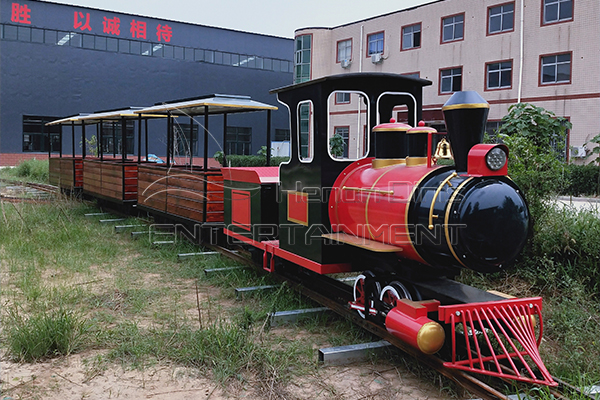
Inventory the Components That Are Truly Vintage
Separate the vehicle from modern systems such as controllers, batteries, lights and communications. Some parts can use current commercial equivalents, while the locomotive shell, bogies, couplings or track components may be unique. Record the model, year, serial number and physical measurements of each major assembly. A clear inventory prevents the buyer from assuming that every component shares the same sourcing route.
Ask for a Serial-Numbered Parts Schedule
The supplier should provide a parts schedule tied to the actual train rather than a generic brochure. Include item descriptions, positions, materials, quantities and recommended stock levels. Photograph hidden fasteners and connection points during assembly. A park train lifecycle parts contract should identify which drawing revision governs each replacement and who confirms an interchangeable part before it is ordered.
Separate Wear Parts From Structural Parts
Brake linings, bearings, seals, lights and coupling inserts may need routine replacement. Structural frames, axles and unique castings need a different sourcing strategy. Ask for the expected inspection interval and the evidence behind each wear allowance. Keep the most critical low-cost items in the park’s maintenance store, but avoid filling shelves with parts that have a short shelf life.
Confirm Reverse-Engineering and Fabrication Standards
If an original part is unavailable, the contract should describe how a replacement will be measured, material-checked and approved. Reverse engineering a shape is not enough if the heat treatment or tolerances are unknown. Reviewing custom park train procurement options helps buyers compare current designs with vintage vehicle support. Public information on ridable miniature railway maintenance also shows why track and vehicle systems need coordinated records.
Set Stock Levels and Lead Times
List the parts that stop operation when they fail and the realistic time needed to deliver them. Set a minimum stock level with the maintenance manager, not with the purchasing office alone. Confirm whether the supplier keeps drawings and tooling available and whether the quoted lead time applies during holiday periods. A spare that arrives after the busy season protects no revenue.
Write Spare-Part Deliverables Into the Contract
Attach the parts list, drawing package, approved suppliers and first-order recommendation to the purchase agreement. State the response time for technical identification and the process for an urgent breakdown. Include the serial number in every order so the supplier does not send a visually similar but incompatible component. The buyer then owns a documented maintenance path rather than a collection of photographs.
Spare-part readiness for a vintage train starts with accurate identification, a serial-numbered schedule, clear wear-part priorities, approved fabrication methods and realistic lead times. Operators should settle those points before the vehicle enters service. The Dinis vintage train support team can help prepare the package, and the starting product range is available at https://www.dinistrains.com/vintage-amusement-park-trains-for-sale/.
Leave a Reply